
Early Warning Signs of Weak Bones You Should Never Ignore
Weak bones are often associated with old age but it is not a condition that can suddenly affect you only when you get older. You may actually be able to see subtle signs or symptoms years before actual damage is felt, because the body does an excellent job of compensating for any injury or issue. Osteoporosis is a major health concern that can lead to weak bones. When bones are not structurally sound, they are liable to get broken- and fractures are painful and take a long time to heal. The prognosis is not great when you are old and your circulation isn’t great anymore.
What Causes Weak Bones And How To Prevent Them?
Osteoporosis is a major cause for weak bones and it can be attributed to advancing age. This means bones and joints get worn down and tissue does not heal or recover like before. Till you are 30, bone building happens more than bone loss. But, once you are 35 and above, bone density begins to decrease- as moe bone is lost than made. Women who are postmenopausal lose way more bone mass than other individuals in the same age group, because of hormonal flux. You are at risk if you drink regularly, don’t have enough Vitamin D and are physically inactive or have other underlying metabolic conditions which can affect how bones function. Eating well, exercising regularly and taking medications can help prevent faster bone loss in the long run.
How To Detect Osteoporosis Symptoms Early?
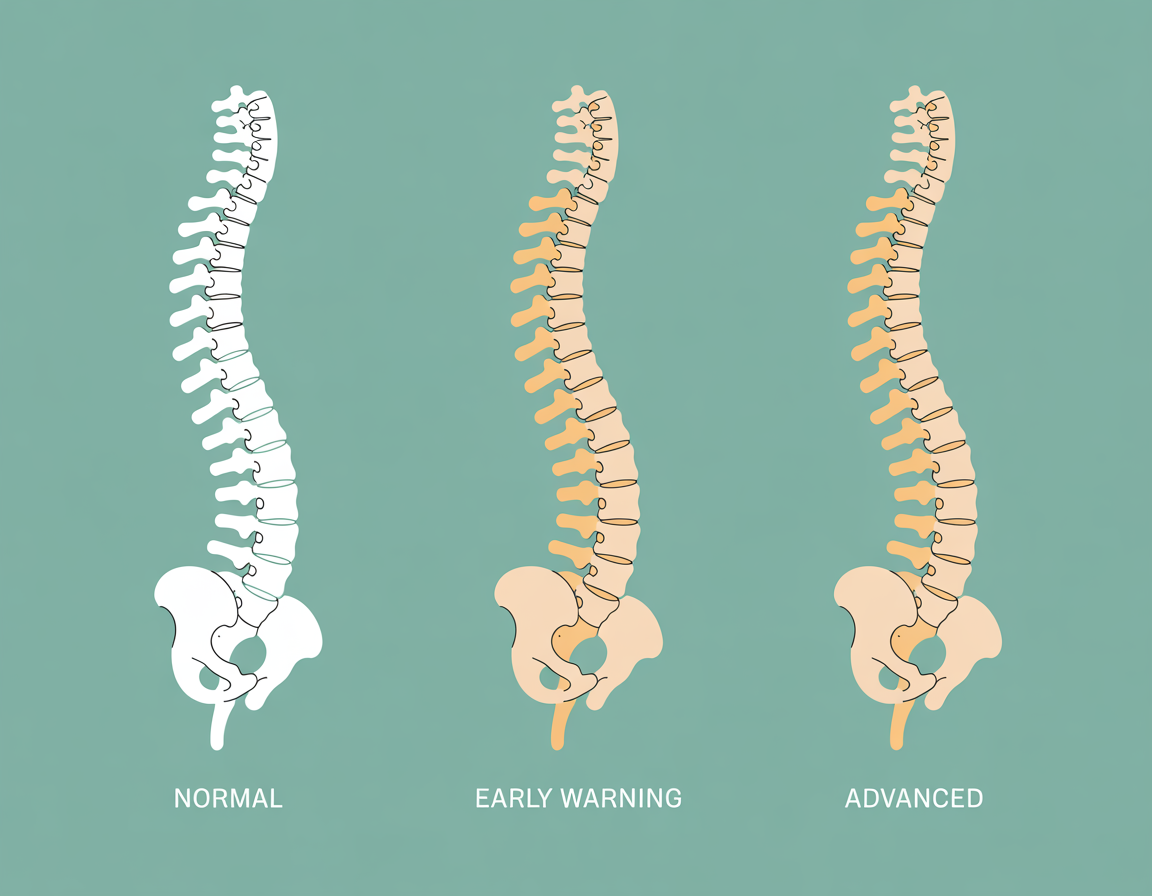
- If you notice a change in height- i.e. you seem shorter than before- it is because of compression fractures in the spine.
- If there is significant change in your posture- you stoop more than usual.
- Shortness of breath is common
- If you have lower back pain.
A bone density test is a sure way of seeing how much bone mass is present and if you are at risk of suffering from fractures in the future.
When To Get A Bone Density Test For Weak Bones?
You should go in for bone density tests if you have been diagnosed with osteopenia before, or if you are 50 years and above in age. You can also walk in for a test if family members have been diagnosed with osteoporosis, as there is a clear genetic element to this condition. Individuals who are postmenopausal need to get their bones checked, as bone loss may be massive due to hormonal shifts occurring at this time.
Best Ways To Strengthen Weak Bones Naturally-
Strengthening your bones is not too hard and making a few, sustainable changes to your daily routine can help a lot.
- You can begin exercising more regularly- like aerobic routines- walking, swimming, yoga etc.
- Try to opt for routines that are gentle on your joints- go for low impact exercises as opposed to running or jogging at first. You may run or jog if you have the right technique and if your doctor thinks it is okay to do so.
- You should check your calcium, magnesium, phosphorus and vitamin D levels regularly and supplement if necessary.
- Osteoporosis can be managed effectively with medications like hormone replacement therapy,bisphosphonates, parathyroid hormone analogs or other biologic injections.
Osteoporosis is not very preventable as everyone has to deal with some degree of wear and tear as they age. But, you can help your muscles and joints stay healthy and supple by eating well and exercising regularly. Strong muscles help bones work better and safer too, so look for strengthening exercises.
Conclusion– A bone density test is a very valuable diagnostic tool that enables a doctor and you to understand how well your bones are faring. Opting for regular DEXA scans is a good thing – as they measure how much calcium, phosphorus and other minerals are present in your bones. It is not invasive at all and is a lot like getting an X-ray done. Preventing osteoporosis is not possible, but you can prevent fractures from slight falls by ensuring that your bones are strong enough to withstand minimal injuries. Talk to an experienced orthopaedic specialist if you experience any symptoms, as fractures are painful and can even cause deformities, if not diagnosed and treated right away.
Frequently Asked Questions
Early signs include increased fatigue during normal activity, mild back pain, reduced grip strength and slower recovery after minor strains. These subtle changes can appear before fractures occur.
Yes. Fractures from low-impact events such as a simple fall, twisting movement or lifting a light object suggest reduced bone strength and may point to osteoporosis or low bone density.
Losing height over time can indicate compression fractures in the spine caused by weakened vertebrae. It often develops slowly and may be noticed through changes in posture or clothing fit.
Ongoing back or hip pain without a clear cause may signal underlying bone thinning. Weakened bones in the spine or pelvis can produce deep, aching discomfort during standing, walking or bending.
Curving of the upper back, poor balance and increased unsteadiness may signal reduced bone and muscle strength. These changes raise the risk of falls and highlight the need for assessment and early care.