

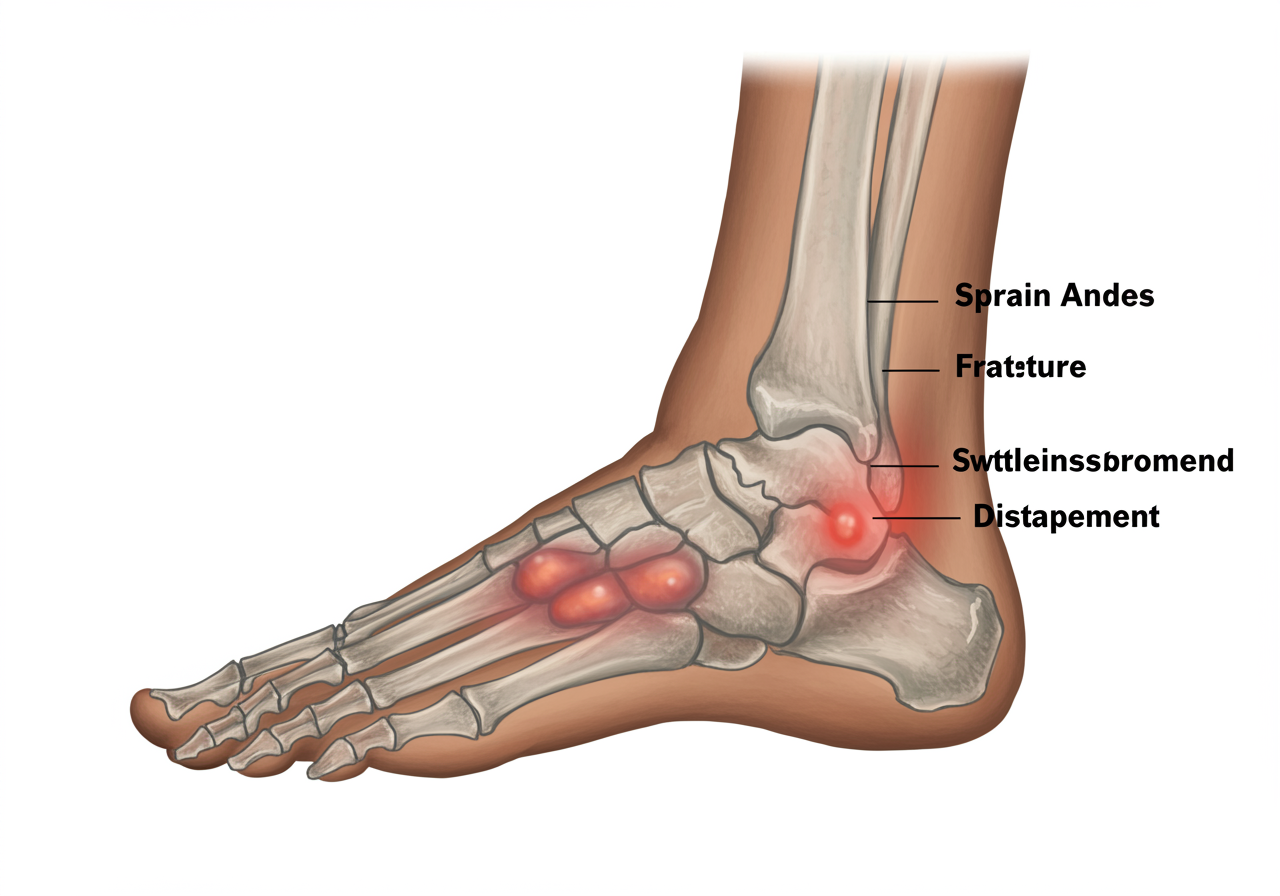
Sprain vs. Fracture: Symptoms, First Aid & When to Visit a Doctor
A sprain or a fracture is a pretty common injury and most of us have had to deal with one in our life, at some point or the other. Sprains are relatively more minor in comparison- with respect to the extent of damage but they can be super painful. Fractures, as we all know occur when too much force causes a bone to break or develop a crack- there are different ways a fracture can be classified- based on the location and severity of damage again. Fractures or sprains can both occur due to falls, traumatic injuries, twisting forces and at times, it may be due to congenital or growth defects- where the bone itself is not well developed and is hence easier to get injured.
How To Know If Swelling Is From Sprain Or Fracture?
So imagine this scenario- you have a fall and then twist your ankle or land awkwardly. This causes sharp pain right away- but then seems to get better if you remain still. You notice symptoms like redness, warmth and swelling at the site of injury. Now, you begin to wonder what it may be- if it is a fracture or a hairline crack or even just a sprain.
If you try to stretch your limb and nothing seems broken or there is no blood pooling anywhere, causing a bluish bruise to form, then it is probably a sprain- in which case the RICE method works best.
But, if you notice too much pain, or see that your bone is probably jutting out too much at an angle or if you feel something move at the sight of injury- then it is probably a fracture.
The best way to confirm whether you have a sprain or a fracture is to get an X-ray done.
When To Get An X-Ray For Foot Or Hand Injury?
If you can’t stand up or put any weight on the affected limb, then it is probably a fracture. Physical appearance wise- if the joint or bone seems broken or deformed, then medical care is essential. You can also check where the pain is coming from- if it is from the bone, then it is maybe a fracture. But, if it is around a joint, then it is mostly a sprain. If you are unsure of what your symptoms may be, then it is better to get an X-ray done.
Home Remedies For Sprains And Minor Fractures-
For a sprain, the RICE method is super relevant- where you Rest, use Ice on the injured site and then use some kind of bandage to Compress it. Lastly, you can try to Elevate the affected limb above heart level, so there is less chance of inflammation.
- Rest– Allows healing to begin.
- Ice– Slows blood flow to the region and hence reduces pain, swelling and inflammation.
- Compression– To prevent fluid build up and for additional support.
- Elevation– Gravity is your friend here and helps drain excess fluid away from the limb, reducing swelling and associated pain.
Can You Walk On A Fractured Foot Or Ankle?
If you are able to put your whole weight on the affected limb, then it probably is not a fracture but is a sprain. However, if you have a hairline fracture, you may still be able to move. This can worsen pain and the extent of damage to the bone too. Crutches or assistive devices and immobilisation may help you heal well in such cases.
Conclusion– The best way to reduce pain after sprain or fracture is to follow the first aid rule of RICE- which we explained in greater detail above. The RICE protocol is highly effective in reducing pain and inflammation. It also gives your body the time to begin healing. If you don’t follow it, then you are at high risk of suffering from more pain and inflammation during treatment and recovery in the future. The first 2-3 days after the injury are crucial and hence staying put at that time will assist in quicker recovery and faster healing.
Frequently Asked Questions
A sprain affects ligaments and causes swelling, bruising and pain during movement, while a fracture involves a broken bone and may produce sharp pain, deformity or an inability to bear weight. A popping sound at injury is more common in sprains; visible misalignment suggests a fracture.
Severe pain, marked swelling, obvious deformity, numbness, difficulty moving the limb and an inability to put weight on it often point to a fracture. Pain that worsens with even slight movement is another warning sign.
Follow the RICE method for both sprains and suspected fractures: rest the injured area, apply ice for short intervals, use a light compression bandage and keep the limb elevated. Avoid moving the limb unnecessarily if a fracture is suspected.
Seek medical care if there is severe pain, visible deformity, ongoing inability to bear weight, significant swelling, numbness, or if symptoms fail to improve within a couple of days. Any suspicion of a fracture needs prompt assessment.
Yes. Without proper care, a sprain may lead to chronic pain, instability, repeated injuries and slower healing. Early diagnosis, rest and guided rehabilitation help restore strength and prevent long-term issues.